


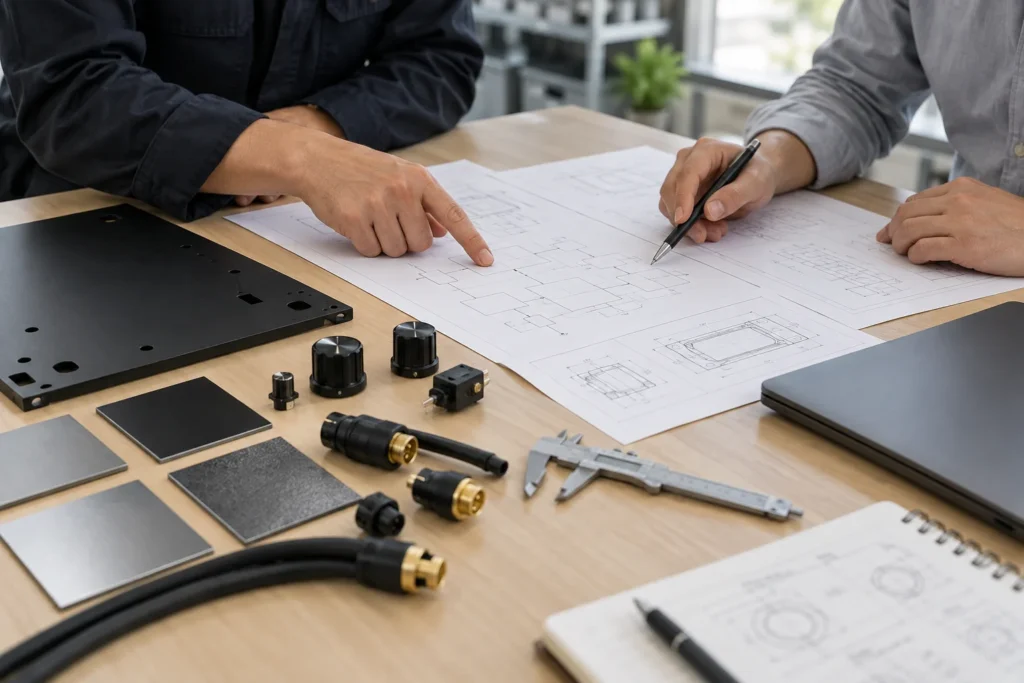
ODM TIG Welding Machine Manufacturer: Project Guide
An ODM TIG welding machine manufacturer helps turn a market requirement into a defined welding product, with agreed design work, prototypes and production-release evidence. The buyer should establish which parts of the design are new, which come from an existing platform, and what each party must deliver before approving development spending. This guide focuses on […]
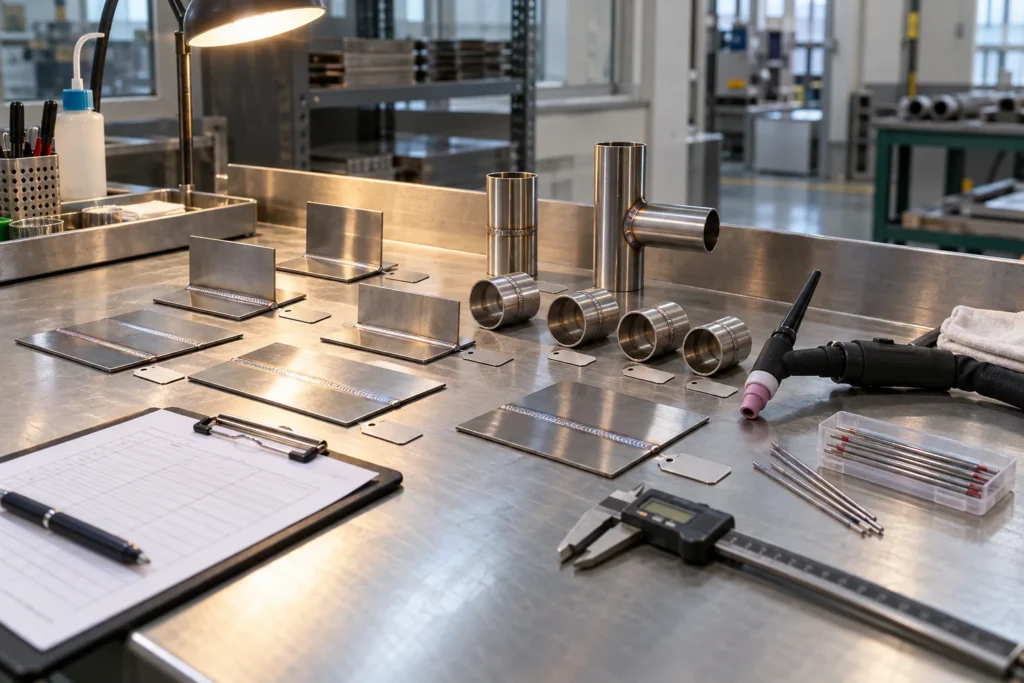
DC TIG Welder Manufacturer: Sample Acceptance Guide
A DC TIG welder manufacturer should demonstrate that the quoted machine can start, regulate and stop the arc reliably on your actual steel or stainless steel jobs. Select the supplier through a documented sample-acceptance plan that connects the application, electrical supply, accessories and inspection results to one identified product configuration. This guide gives industrial buyers […]
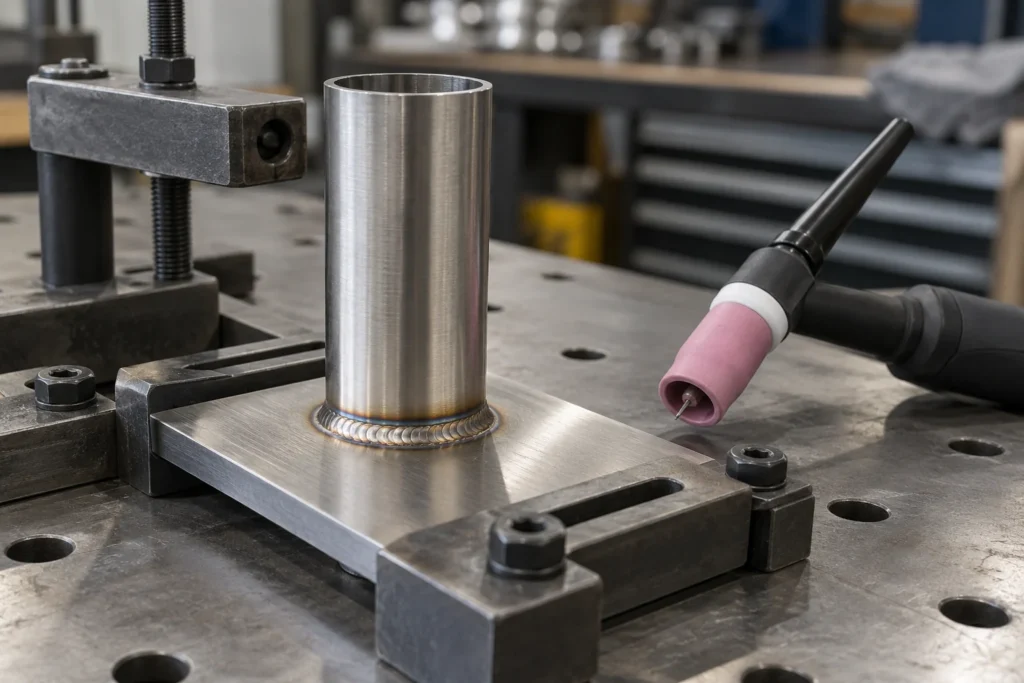
TIG Pulse Settings: Peak, Background and Frequency Guide
Reliable TIG pulse settings start with a clear description of what each control changes. Peak current, background current, peak time and pulse frequency describe different parts of the current cycle. Copying four display numbers from another machine can produce a different result if its percentages, remote-control behaviour or operating mode are defined differently. For fabrication […]
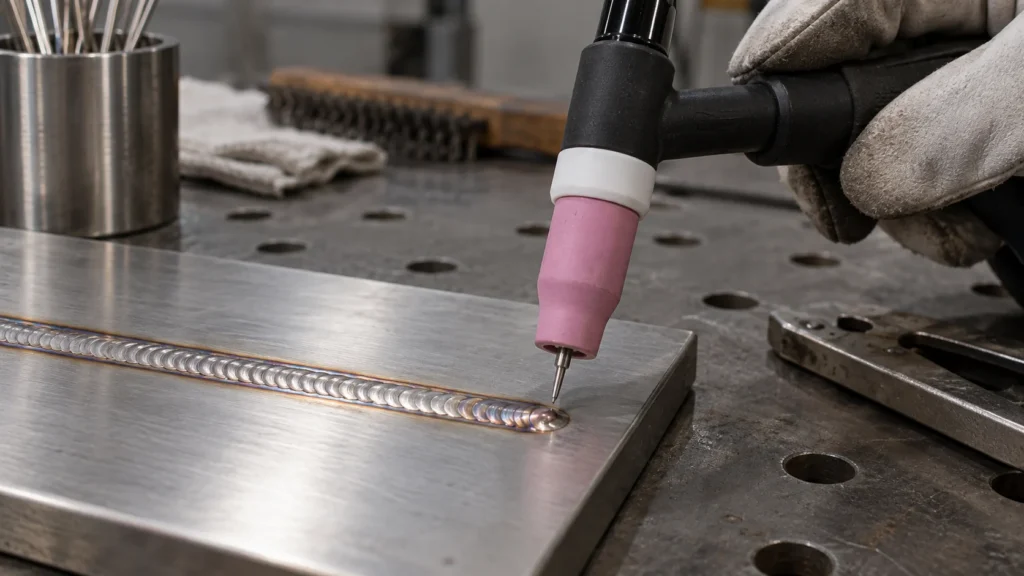
TIG Pre Flow and Post Flow: Factory Setup and QC Guide
TIG pre flow and post flow control when shielding gas reaches the work before an arc starts and how long it continues after the arc ends. They are time settings, not substitutes for the correct gas flow rate. For a production team, the useful question is whether the complete start-and-stop sequence protects the intended joint […]
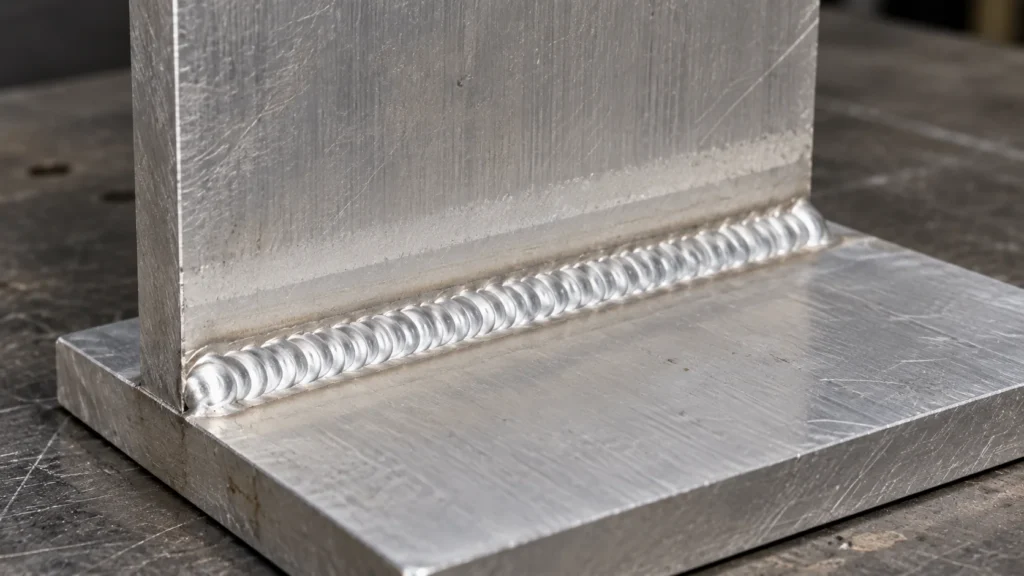
AC Balance TIG Welding: Aluminum Setup and QC Guide
AC balance TIG welding controls how an alternating-current cycle is divided between electrode-negative and electrode-positive time. For an aluminum fabrication team, the important detail is what the machine’s number actually means. A higher value can mean more electrode-negative time on one control, while another interface may describe electrode-positive time or a cleaning scale. Copying the […]
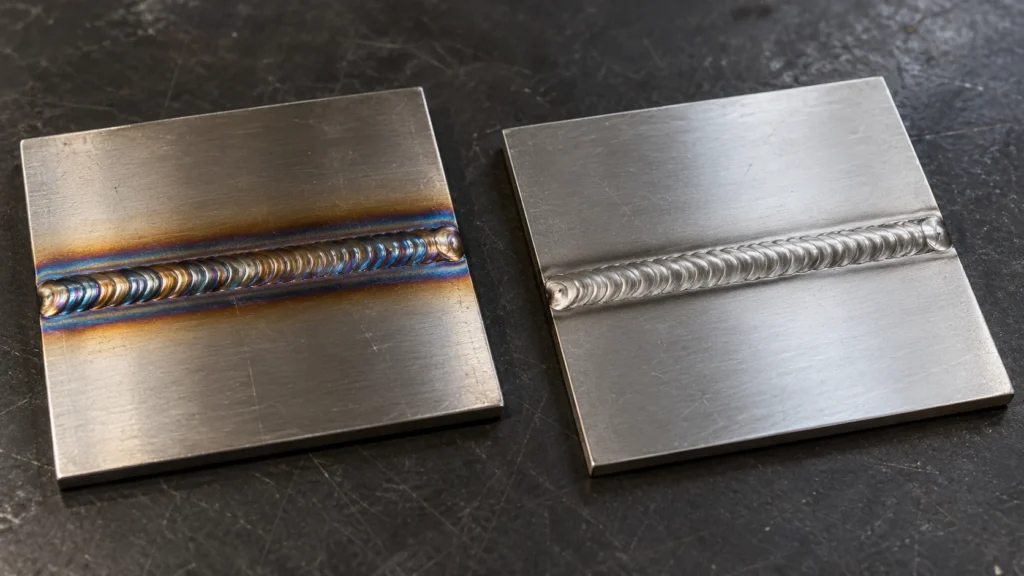
Weld Cleaning vs Passivation: Stainless Steel QC Guide
Weld cleaning vs passivation is a question about different surface-treatment objectives. Cleaning removes unwanted material; pickling removes surface scale and a thin metal layer; chemical passivation treats a suitably clean stainless surface to remove free iron and support its protective passive condition. A bright weld alone does not establish that the required treatment or verification […]